

Bidirectional Onboard Charging Solutions
Bidirectional EV charging extends onboard charging beyond one-way energy transfer, allowing stored battery energy to be converted for supported external power applications. By combining charging and inverter functions within the vehicle power system, bidirectional solutions enable more flexible energy use across different electric vehicle platforms.
Bidirectional Onboard Charging for More Flexible EV Energy Use
As electric vehicles take on a broader role in energy use, onboard charging systems are evolving beyond one-way power transfer from the grid to the traction battery. Bidirectional onboard charging allows energy to move in both directions through the vehicle’s onboard power electronics, enabling the battery to support selected external power functions in addition to conventional charging.
This expanded energy flow introduces additional engineering requirements for the onboard charger and vehicle power system. Charging and inverter operation need to be coordinated with battery conditions, vehicle communication, operating modes, protection strategies, and the intended bidirectional application. The final solution therefore depends on the vehicle electrical architecture, required charging and reverse-power functions, operating conditions, and system-level integration requirements.
Bidirectional Product Portfolio


Key Advantages
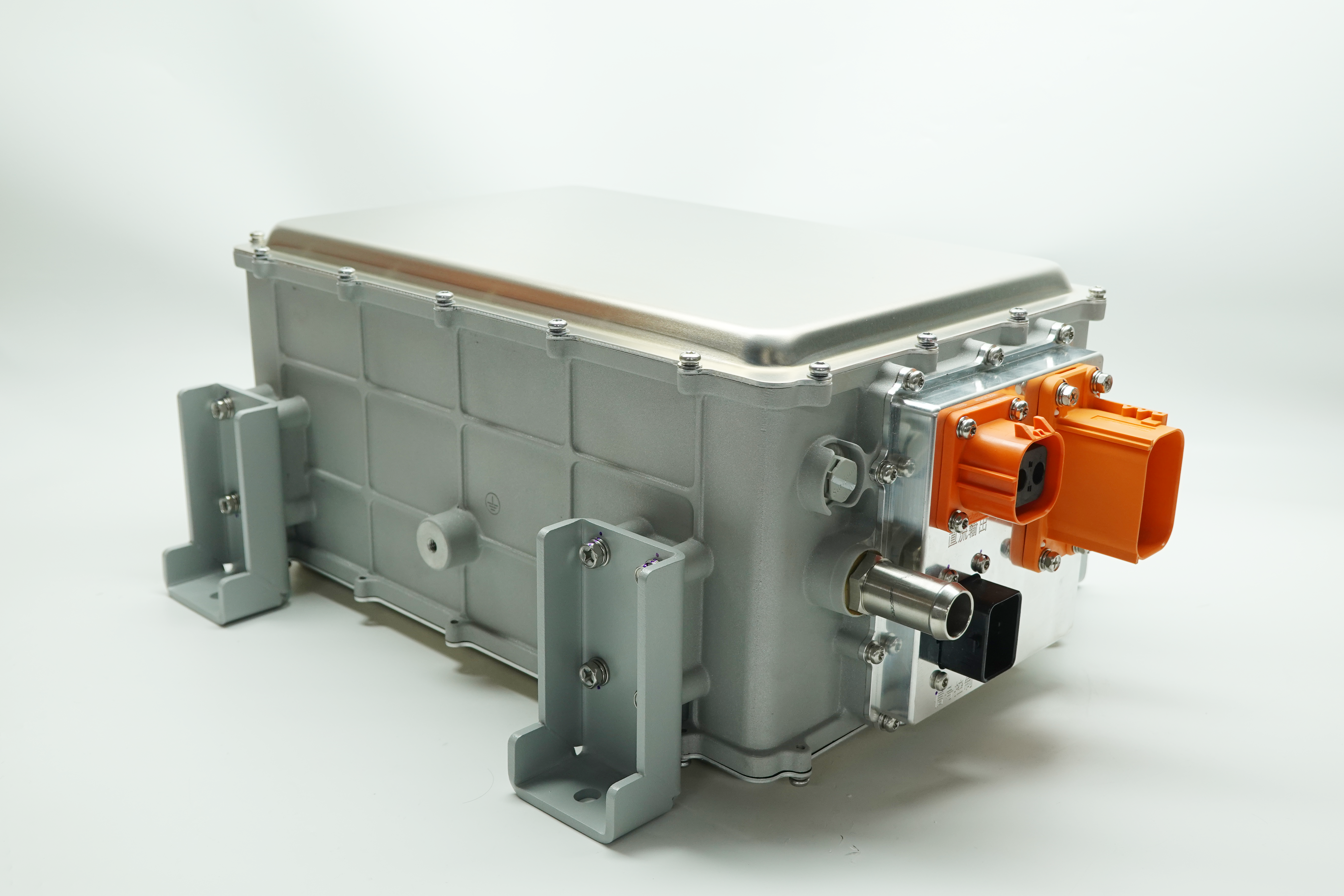
Flexible Two-way Energy Use
Bidirectional onboard charging allows energy to flow both into and out of the traction battery, extending the vehicle beyond conventional one-way charging. Stored battery energy can be converted for supported external power use, giving the vehicle platform greater flexibility in how onboard energy is utilized.
Charging & External Power in One System
A bidirectional OBC supports both battery charging and reverse AC power output within the same onboard power-conversion system. For vehicle platforms that require inverter functionality, this allows charging and external power functions to be incorporated within a more coordinated vehicle electrical architecture.
Expanded Vehicle Energy Functions
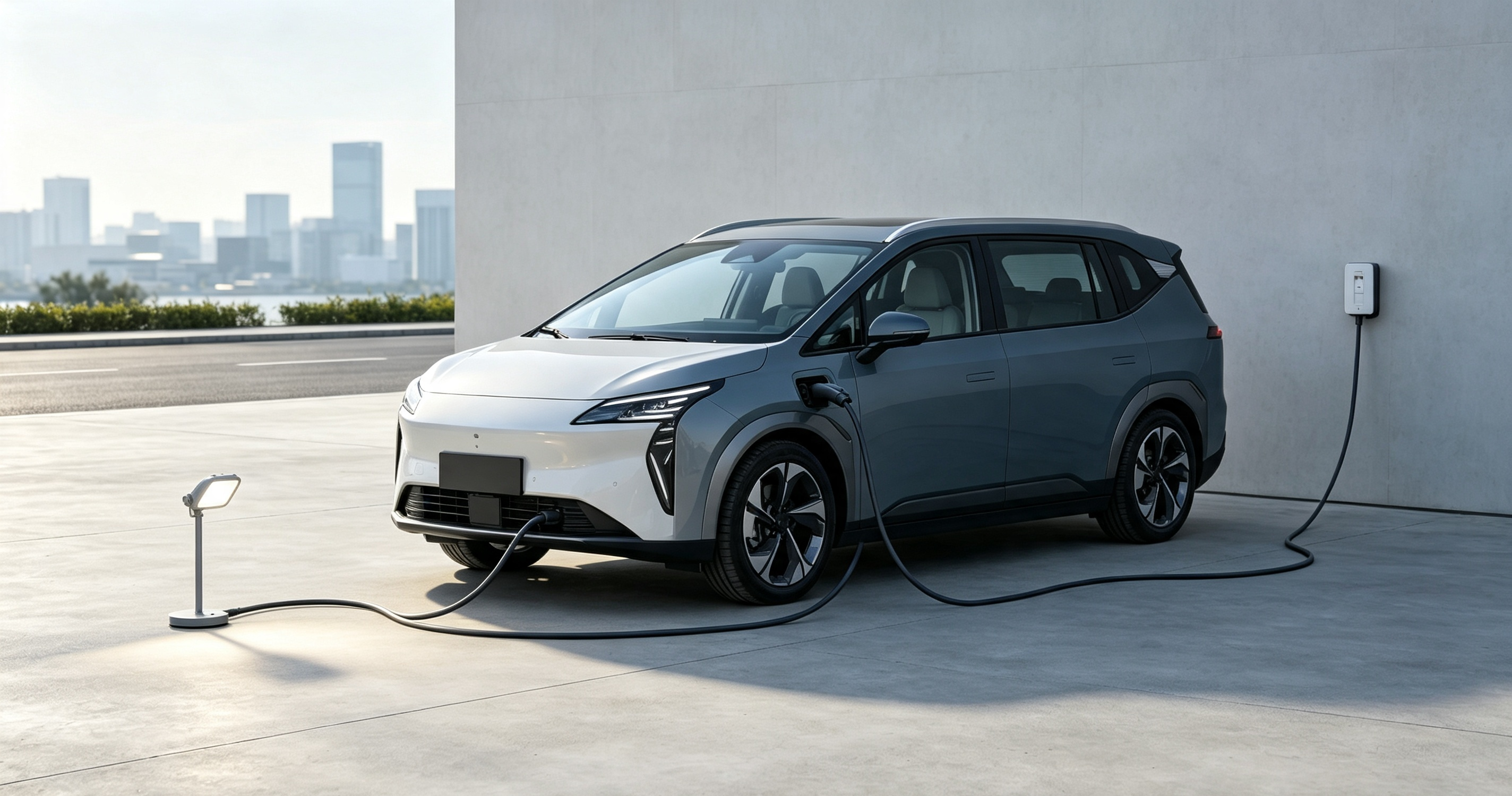
Bidirectional capability allows the traction battery to support additional energy functions beyond propulsion and conventional charging. Depending on vehicle architecture and product configuration, this can include V2L and other approved bidirectional applications, giving OEMs greater flexibility when defining vehicle functions and use scenarios.
Stable Performance in Both Power Directions
Bidirectional onboard charging needs to maintain controlled performance in both charging and reverse-power conditions. Stable voltage regulation, load response, and operation across both energy-flow directions provide a dependable foundation for vehicle platforms that incorporate charging and inverter functions.


Contact Us
Applications Across EV Platforms

Passenger EVs
For passenger EVs, bidirectional charging can extend the traction battery beyond conventional charging by supporting external power functions such as V2L. Depending on vehicle configuration and infrastructure, selected projects may also consider other bidirectional applications such as V2G.
The required solution needs to balance charging performance, inverter functionality, vehicle communication, installation conditions, and the intended energy-use scenario.

Electric Vans
Electric vans used for delivery, service, and fleet operations often combine scheduled daily use with practical external power requirements. Bidirectional onboard charging can provide additional flexibility by allowing stored battery energy to support compatible electrical equipment when the vehicle is stationary.
Solution selection needs to consider charging power, inverter output, duty cycle, vehicle electrical architecture, and operating requirements.

Electric Trucks
Electric trucks typically involve larger traction batteries, higher power requirements, and demanding operating schedules. Bidirectional functionality can add flexibility to the onboard power architecture where reverse-power operation is required, while the final configuration needs to remain coordinated with the vehicle’s charging strategy and duty cycle.
Battery voltage, charging power, inverter requirements, thermal conditions, and vehicle-level controls are important considerations during project evaluation.

Engineering Support for Bidirectional EV Projects
Bidirectional Requirement Evaluation
Bidirectional projects need to define both charging and reverse-power requirements from the beginning. Landworld evaluates battery voltage, AC input, charging power, expected inverter output, external-load requirements, vehicle operating conditions, and the intended bidirectional function to identify a suitable onboard power configuration.
Communication & Control Coordination
Bidirectional operation requires coordination between the onboard power system and vehicle controllers. Landworld supports project requirements involving CAN communication, BMS and VCU coordination, wake-up logic, charging and inverter commands, operating-state feedback, diagnostics, and applicable software functions.
Charging & Inverter Function Alignment
Charging performance and reverse-power operation place different requirements on the onboard power system. Project evaluation can address charging conditions, inverter output requirements, applicable interfaces, load characteristics, cooling conditions, and operating limits so that both functions are coordinated with the target vehicle architecture.
Validation & Functional Verification
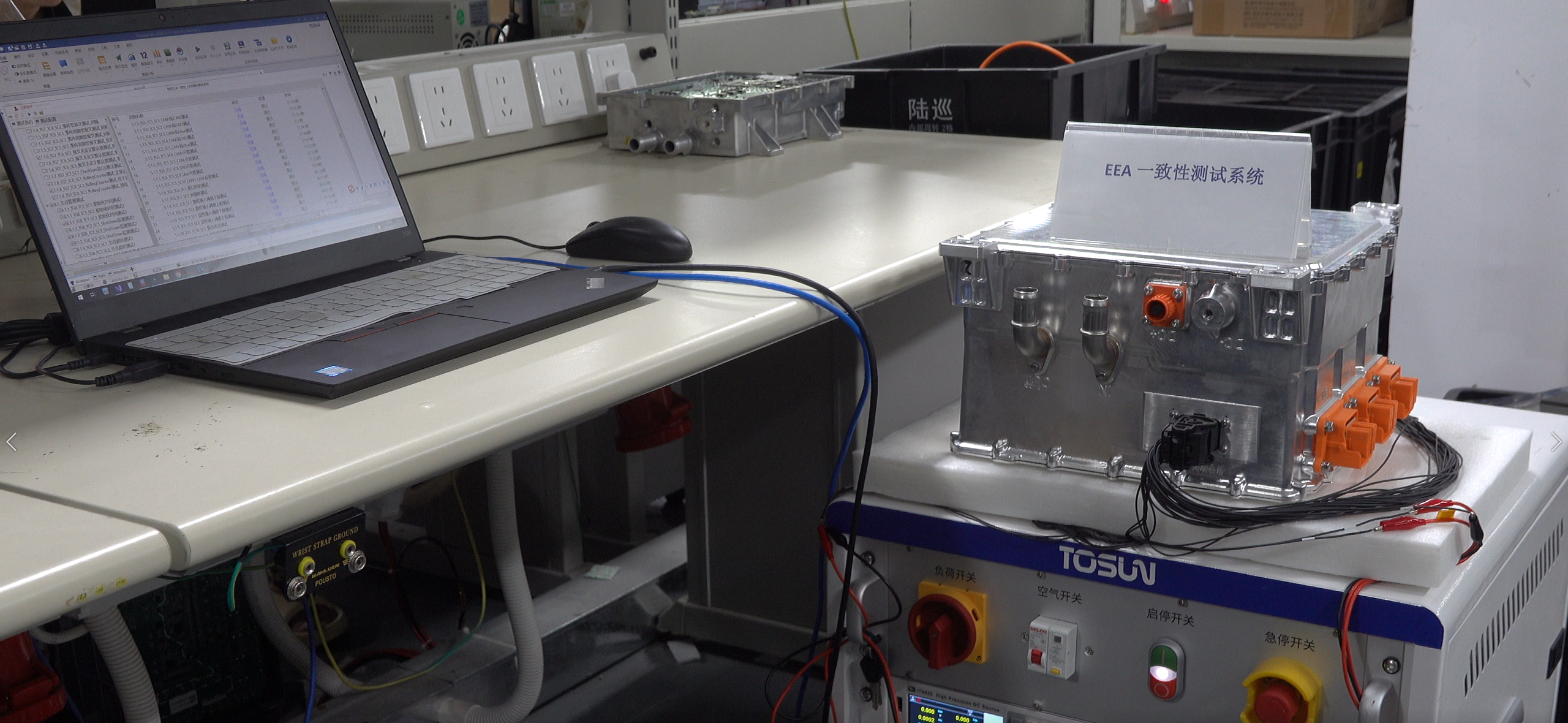
Bidirectional systems require validation in both charging and reverse-power operating conditions. Landworld supports project development through design verification, functional testing, protection verification, communication checks, and evaluation of relevant operating modes to confirm performance against defined vehicle-level and application requirements.

Exploring Bidirectional Charging
for Your EV Platform?
Landworld supports bidirectional onboard charging solutions for different EV platforms. Talk with our team to evaluate a suitable configuration based on your charging, reverse-power, vehicle integration, and operating requirements.
Download
- Name
- Summary
- Category
- Update
- Size
- Downloads
- Thumbnail
- Download
- Copy Link
- Landworld New Energy Vehicle On-board Power Supply Product Brochure 2025.pdf
- Uncategorized
- 2026-08-03
- 12.49MB
- 894
-
- Download
- Copy Link
- H24 E32_Landworld_IAA2026_BacklitWall.pdf
- Uncategorized
- 2026-07-28
- 112.26MB
- 89
-

- Download
- Copy Link
Bidirectional Charging FAQs



Related Blogs
-
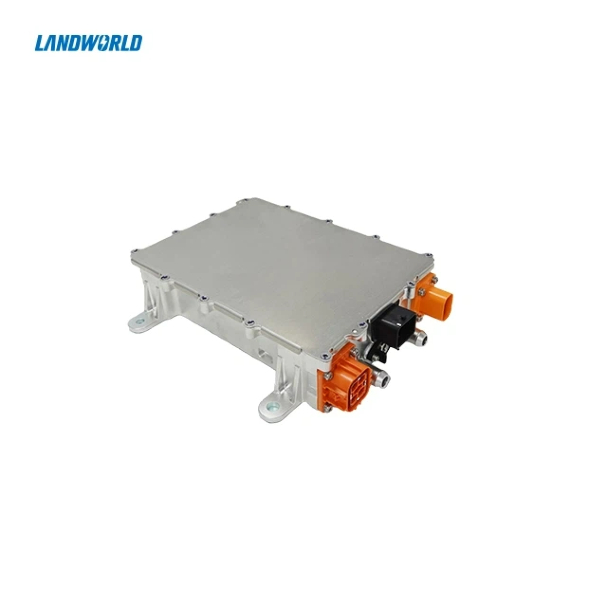 Why 6.6kW OBC+3kW DC/DC Supports Vehicle-to-Load and Bidirectional Use1. The Importance of Advanced EV Power ModulesThe rapid evolution of electric vehicles (EVs) has driven the demand for highly efficient, compact, and versatile power systems.Industry News
 -
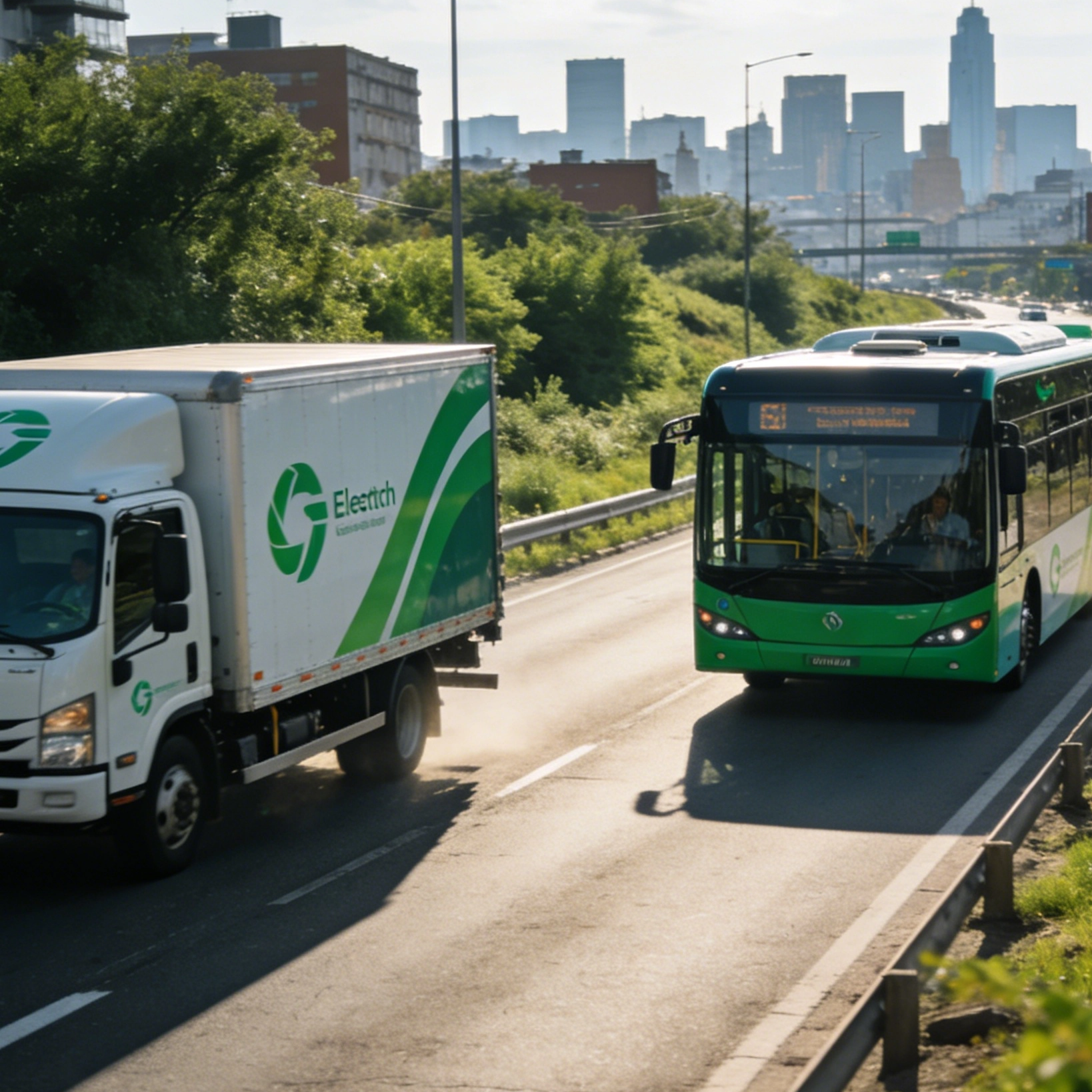 The transportation industry is undergoing a major shift, with electric trucks and buses becoming key components of modern fleets. These commercial electric vehicles (EVs) help reduce emissions, improve air quality, and lower operational costs.Industry News
 -
 The rapid evolution of electric vehicles (EVs) has placed significant emphasis on the efficiency and performance of their charging systems.Industry News
 -
 As the new energy vehicle sector experiences unprecedented growth, technological innovation remains at the heart of progress. In line with thisIndustry News

Inside Landworld
Need a Bidirectional Onboard
Charging Solution?
Share your battery-voltage range, target charging power, expected inverter output, intended bidirectional function, and vehicle integration requirements with Landworld. Our engineering team can help evaluate a suitable bidirectional OBC or integrated onboard power configuration for your project.
Mob: +86-755-85291670
E-mail: info@landworld-ev.com
